


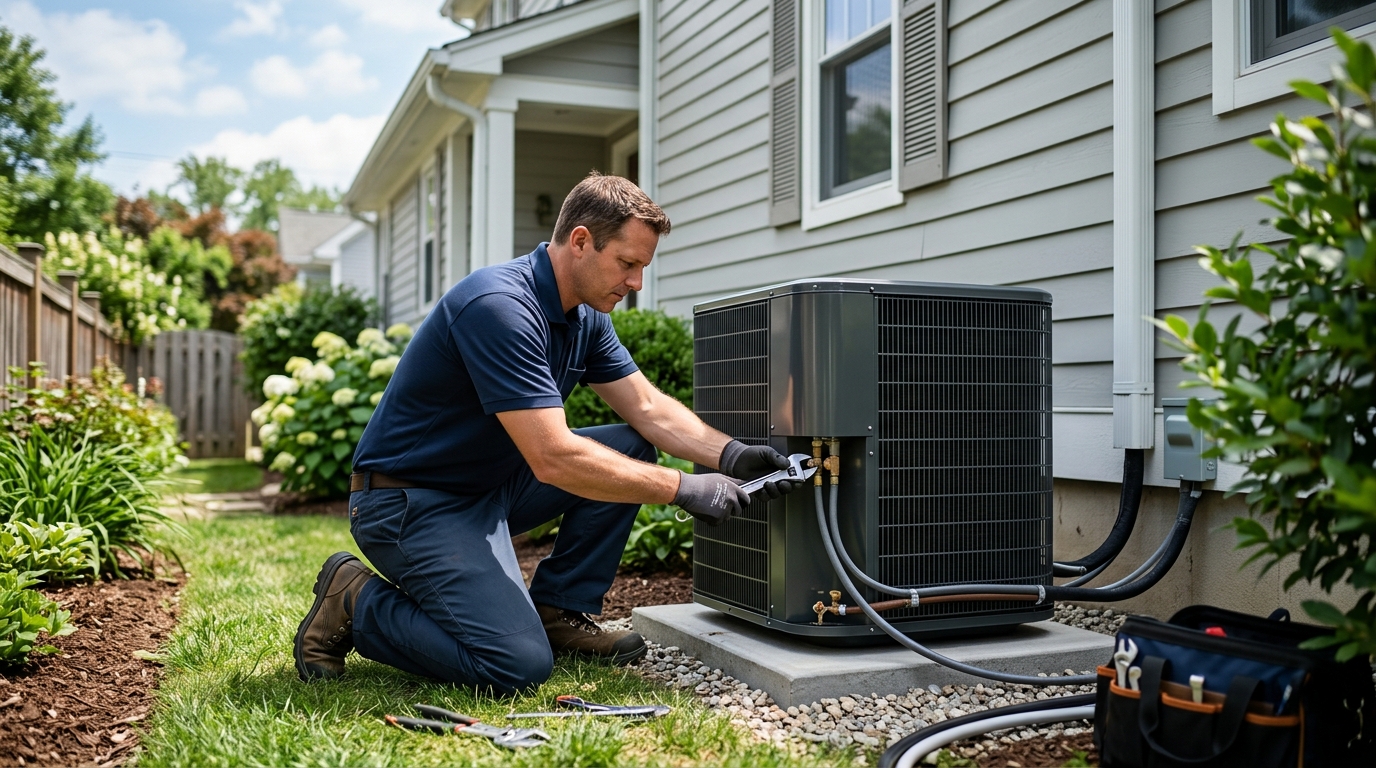
Your HVAC system just failed, and now you’re staring down a decision that could cost anywhere from a few thousand dollars to well over ten—with contractors offering wildly different quotes for what sounds like the same job. Understanding true hvac system replacement cost in 2026 means looking beyond the sticker price. Equipment efficiency ratings, ductwork condition, and regional labor rates can shift your budget by thousands. At Big Star Conservation INC., we’ve helped countless homeowners navigate these decisions with an eye toward long-term energy savings, not just upfront expense. This guide breaks down exactly what drives replacement costs today, so you can invest with confidence and avoid overpaying for the wrong system.
HVAC System Replacement Cost: What to Expect in 2026
Average Price Range at a Glance
Most homeowners in 2026 will pay between $5,000 and $16,000 for a full HVAC system replacement. Smaller homes with simple systems land near the low end. Larger homes needing new ductwork or high-efficiency equipment push toward the high end. Some premium installations exceed $20,000.
What’s Included in a Typical Quote
This guide breaks pricing down several ways, so you can find numbers that match your situation. Compare by equipment type, home size, and region below before diving into the detailed sections that follow.
| Pricing Factor | Typical Range | Where It’s Covered |
|---|---|---|
| System type | $4,500 – $18,000 | Cost Breakdown by System Type |
| Home size | $5,000 – $14,000 | How Home Size Changes Your Budget |
| Ductwork condition | $1,500 – $6,000 extra | Ductwork and Installation Complexity |
| Region/season | Varies 10-20% | Timing, Location, and Seasonal Swings |
Getting at least three quotes matters. Prices for identical equipment can vary by thousands between contractors.
Louisiana and Mississippi Climate Considerations
Gulf Coast humidity and long cooling seasons strain HVAC systems harder than milder climates do. Homeowners here often notice an electricity bill too high for comfort, especially with aging equipment. Poor attic insulation forces systems to work overtime, raising both costs and wear.
Cost Breakdown by System Type
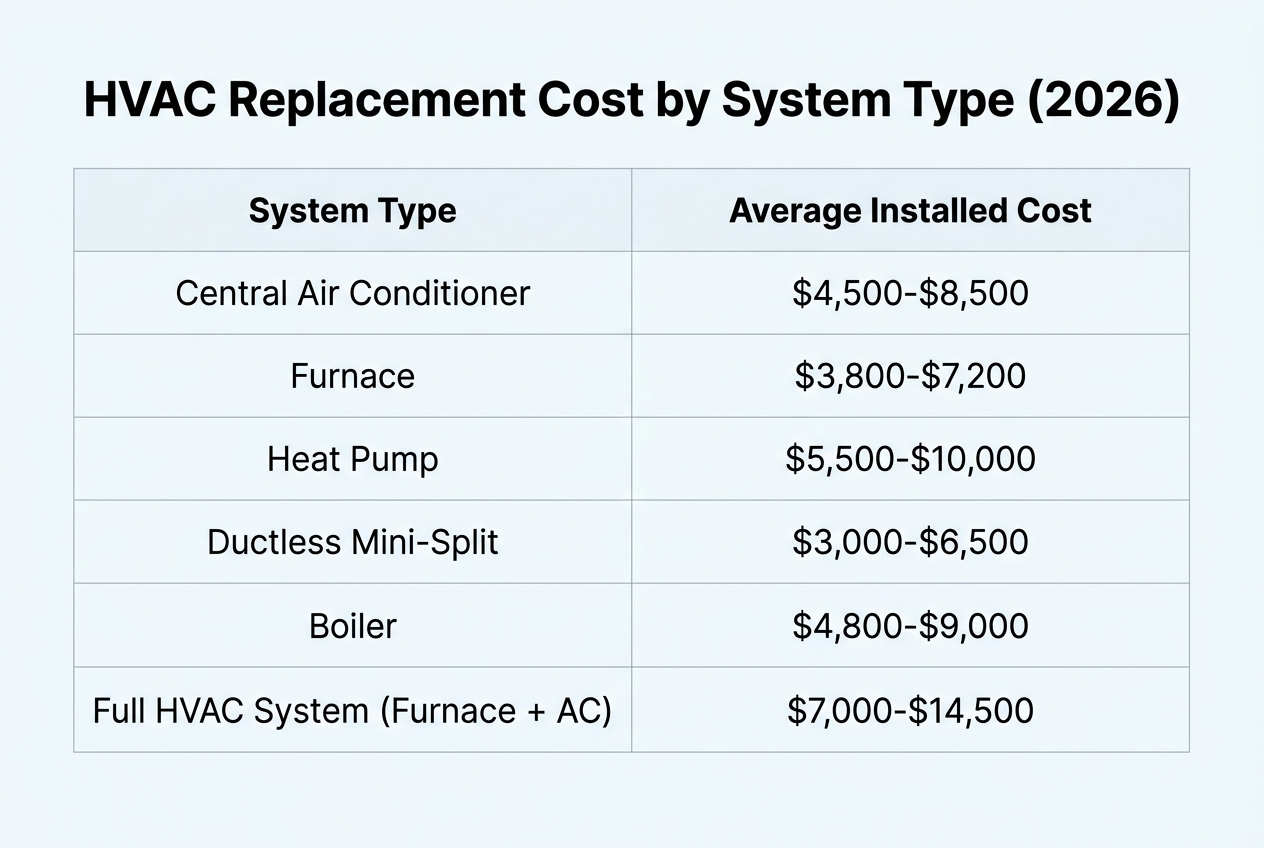
Every HVAC component carries its own price tag. The table below compares typical installed costs for each equipment type, so you can see where your money actually goes.
| System Type | Typical Installed Cost | Best For |
|---|---|---|
| Central Air Conditioner (2.5–5 ton) | $4,500 – $9,500 | Homes with existing ductwork |
| Gas Furnace | $3,800 – $8,000 | Colder climates, gas hookup available |
| Heat Pump (full system) | $6,000 – $13,500 | Year-round heating and cooling |
| Full Split System (furnace + AC) | $8,000 – $16,000 | Complete system replacement |
| Air Handler Replacement | $1,500 – $3,500 | Heat pump or electric-only setups |
Central Air Conditioner Pricing
A standalone central air conditioner is often the cheapest cooling upgrade, especially when ductwork stays untouched. Bigger homes need larger tonnage. That raises equipment cost.
Furnace and Heat Pump Pricing
Furnaces cost less upfront. But a heat pump handles both heating and cooling in one unit. That dual function affects long-term bills, including the cost of electricity in louisiana. Many homeowners ask, What’s an average price for a a new HVAC and AC?, and answers vary widely by region and brand.
Ductless and Mini-Split System Pricing
A ductless mini-split skips ductwork entirely. Single-zone units start around $3,000 installed. Multi-zone setups for whole homes can reach $12,000 or more.
What Drives the Price of a New System Up or Down
Energy Efficiency Ratings Explained
Every new system carries efficiency ratings that affect both the sticker price and your monthly bills. SEER2 measures cooling efficiency, HSPF2 rates heat pump performance, and AFUE tracks furnace efficiency. Higher numbers mean better performance, but also higher upfront costs.
A basic 14 SEER2 air conditioner costs less to buy than an 18 SEER2 model. The pricier unit, though, can cut cooling costs by 20 percent or more over a season. For homeowners in hot, humid climates, that gap adds up fast across a Louisiana or Mississippi summer.
This guide from Carrier, HVAC Replacement Cost | System Pricing & Installation …, breaks down how ratings tie directly to installed price. Choosing efficiency is a long-term math problem, not just a purchase decision.
Sizing and Capacity Requirements
Bigger homes need bigger systems, and bigger systems cost more. A 3,000-square-foot house typically needs a 4 to 5-ton unit. A 1,500-square-foot home might only need 2 tons. Each added ton raises equipment cost by hundreds of dollars.
Capacity isn’t guesswork. A proper load calculation, often called a Manual J, measures square footage, window count, ceiling height, and climate. Skipping this step risks an oversized or undersized system, which wastes money and shortens equipment life.
Home Layout and Insulation Quality
Layout and insulation quality change how hard a system must work. Homes with open floor plans often distribute air more evenly, needing less capacity than choppy, multi-room layouts.
Poor insulation forces oversizing to compensate for heat loss or gain. Reviewing the benefits of insulating your attic before replacement can shrink the required system size and lower your final cost.
How Ductwork and Installation Complexity Affect Your Bill
Signs Your Ductwork Needs Repair or Replacement
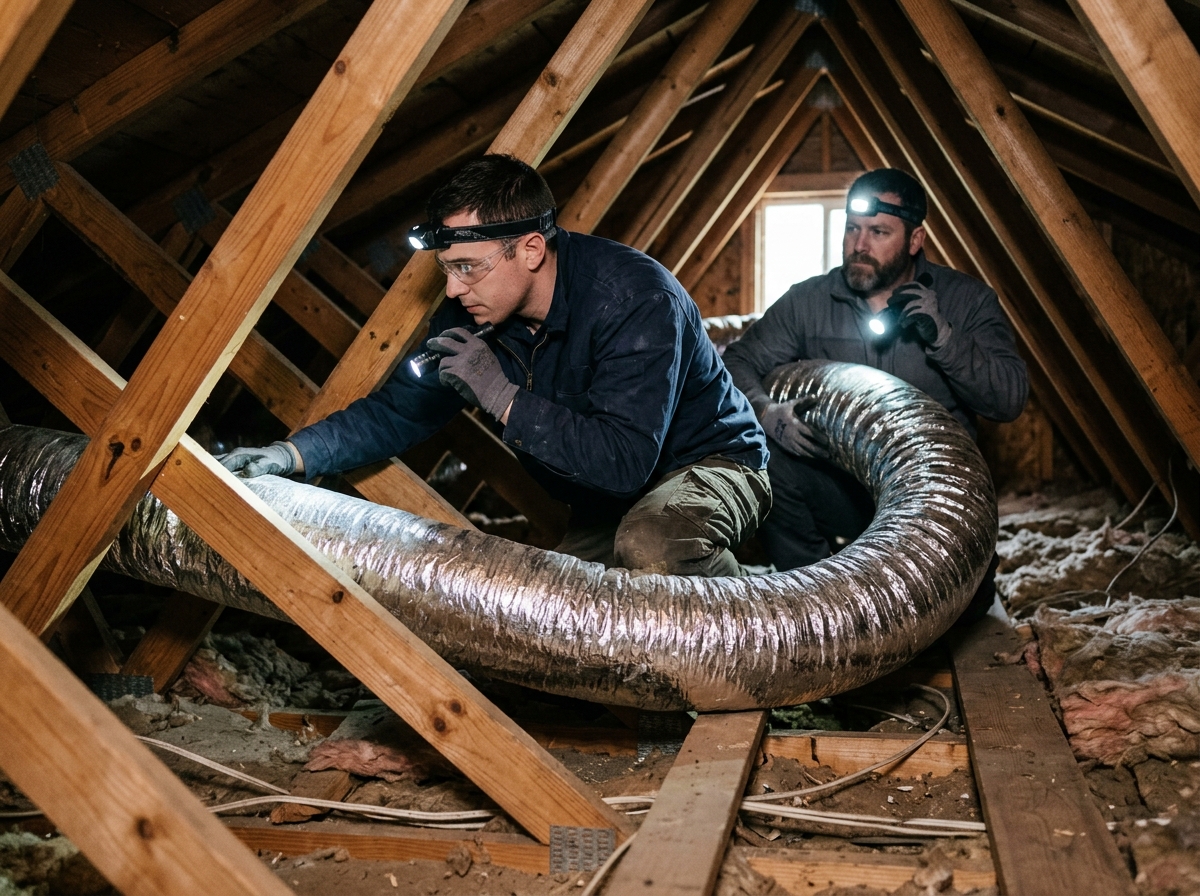
Old ducts often leak at every joint. Leaky ductwork forces your system to work harder, pushing up energy bills and shortening equipment life. Watch for weak airflow, dusty rooms, or uneven temperatures between floors. These are classic signs your ducts are undersized or damaged.
Rust, crushed sections, or torn insulation also signal trouble. Ducts older than 15 years may need full replacement rather than patching. Sealing gaps through air sealing can improve efficiency before you commit to costly duct upgrades, saving money in the long run.
Labor Challenges That Raise Installation Cost
Where your ducts sit changes labor time. Attic access is often tight, hot, and hard to navigate, especially in older homes. Crawlspaces bring their own problems, like low clearance and moisture damage. Both situations slow down crews and raise hourly labor charges.
Homes with finished basements or multiple stories add complexity too. Technicians may need to cut access points or reroute ducts around plumbing. This extra time adds up quickly on your final invoice.
Permit and Code Compliance Fees
Many replacements trigger local permit requirements. Inspectors check that new systems meet current safety codes. Sometimes older homes need electrical or gas line upgrades to support new equipment safely, adding several hundred dollars to your project.
Permit fees vary by city and system size. Skipping them risks fines later. For a broader look at how size and layout affect pricing, see this guide on HVAC replacement cost by home size, which explains regional cost differences well.
How Home Size Changes Your HVAC Budget
Costs for Homes Under 2,000 Square Feet
Smaller homes usually need less equipment power, which keeps costs lower. A typical 1,200 to 1,800 square foot home often needs a 2 to 3 ton system. Expect a rough range of $4,500 to $8,500 for full replacement, depending on efficiency level and ductwork condition. Learn more about our about us page to see how local assessments factor into these estimates.
Costs for 2,000–3,000 Square Foot Homes
Mid-size homes need more capacity, but costs don’t always jump in a straight line. A 3 to 5 ton system might run $7,500 to $12,500 installed. Bigger homes sometimes cost less per square foot because labor and permitting stay similar. For a broader look at pricing patterns, the HVAC Pricing Guide: Cost & Replacement Overview breaks down these variables further.
Costs for Larger and Multi-Family Properties
Large homes and multi-family buildings often require more than one system. Multi-zone setups add cost but improve comfort and efficiency. Consider these factors when budgeting:
- Homes over 3,500 square feet often need two separate systems to handle different zones evenly.
- Multi-family properties may require individual units per apartment, raising total project costs significantly.
- Zoning dampers and extra thermostats add equipment costs but reduce energy waste over time.
- Larger duct networks increase installation labor, especially in older buildings with limited access.
- Shared systems in multi-family properties may qualify for bulk pricing from contractors.
Hidden and Additional Costs Homeowners Often Overlook
Removal, Disposal, and Site Prep Fees
Many quotes only cover the new equipment. They skip what it takes to remove the old system. Contractors often charge separately for hauling away your old furnace, air handler, or condenser. Some units contain refrigerant that requires special handling under EPA rules, which adds another fee. Site prep, like leveling a concrete pad or reinforcing a closet floor, can also raise your final bill.
Smart Thermostats and Add-On Accessories
A new HVAC system often needs matching accessories to work properly. These extras rarely appear in the base price homeowners see first.
- A smart thermostat upgrade can run $150 to $500, depending on brand and features.
- Electrical panel upgrades may be required if your home’s wiring can’t support a new high-efficiency unit.
- New line sets or refrigerant lines are sometimes needed for compatibility with modern systems.
- Additional ductwork sealing or dampers may be recommended to balance airflow.
- Surge protectors or dedicated circuits add safety but come at extra cost.
Warranty and Maintenance Plan Costs
Extended warranties and maintenance plans add long-term value but also long-term cost. Many contractors offer optional coverage beyond the manufacturer’s standard warranty. Annual tune-up plans, often $150 to $300 per year, keep systems running efficiently. Before signing up, compare details in a full HVAC Replacement Cost Guide and check your provider’s blog for maintenance tips.
Timing, Location, and Seasonal Price Swings
Best Time of Year to Schedule Replacement
Timing your installation matters. Fall and early spring are the slowest seasons for most HVAC contractors in the Gulf South. Fewer emergency calls mean crews have open schedules and more room to negotiate. Homeowners who book during these off-peak months often save on labor, sometimes 10-15% less than summer rates.
Waiting for a breakdown in July almost always costs more. If your system is aging, plan ahead. Reading up on options like HVAC Repair vs. Replacement Cost: The $5000 Rule Explained before peak season hits can help you make a calm, informed decision rather than a rushed one.
Regional Pricing Differences in Louisiana and Mississippi
Labor rates vary across the Gulf South. Urban markets like New Orleans and Baton Rouge typically run higher than rural Mississippi towns, due to demand and cost of living. Coastal humidity also pushes some homeowners toward higher-capacity systems, adding to material costs.
Permit fees and licensing requirements differ by parish and county too. A homeowner in Jackson may pay less in permitting than one in Gulfport. Comparing local quotes, and reviewing our services, helps clarify what’s typical for your specific area.
How Seasonal Demand Impacts Contractor Pricing
Summer heat drives urgent replacements. Contractors get flooded with calls, and equipment suppliers see shortages on popular models. This supply and demand spike can raise both labor and unit prices by hundreds of dollars.
Shipping delays during peak months add further strain. Ordering a specific size or brand in June may mean waiting weeks. Planning ahead avoids these seasonal bottlenecks entirely.
Smart Ways to Lower Your Replacement Costs
Utility Rebates and No-Cost Assessment Programs
Many electric and gas utilities offer rebates for high-efficiency HVAC equipment. Some also fund free energy assessments for qualifying homeowners. These programs are designed to reduce upfront replacement costs and encourage efficient upgrades. Eligibility often depends on income, home type, or utility provider, so it pays to check before you buy. A dedicated provider can help you sort through paperwork and confirm what applies to your situation.
Federal and State Tax Incentives
Federal tax credits reward homeowners who install qualifying high-efficiency systems. These credits can cover a meaningful percentage of equipment and installation costs, directly lowering your net price. Some states add their own incentives on top of federal programs. For a broader look at pricing trends shaping these decisions, see How much does a new HVAC system really cost in 2026?
Bundling Weatherization Improvements With Replacement
Pairing HVAC replacement with weatherization work often produces the biggest long-term savings. Consider these combinations:
- Adding attic insulation reduces the workload on your new system, extending its lifespan.
- Air sealing gaps around windows and doors stops conditioned air from escaping.
- Duct sealing prevents wasted energy before it reaches your living space.
- Upgrading weatherstripping keeps temperature swings smaller between HVAC cycles.
- Combining projects can qualify homeowners for larger, stacked rebate amounts.
Review any provider’s privacy policy before sharing personal or account details during an assessment.
Repair or Replace: Making the Right Financial Call
Rules of Thumb for Repair vs Replacement Decisions
The most common guide is the 50% rule. If a repair costs more than half the price of a new system, replacement usually makes better sense. A $2,000 repair on a unit that could be replaced for $5,000 fails this test quickly.
Age matters just as much as cost. Most furnaces and air conditioners last 15 to 20 years. A system past that mark is a poor candidate for expensive repairs, even minor ones, since another failure is likely soon.
Combine both rules for a clearer picture. A five-year-old unit with a $600 repair is worth fixing. An 18-year-old unit with the same repair bill is not, since bigger failures tend to follow close behind.
Estimating Long-Term Energy Savings
Older systems lose efficiency every year. A unit rated at 78% AFUE burns far more fuel than a new 95% AFUE furnace. Homeowners can compare utility bills before and after past repairs to estimate real losses.
A simple formula helps: multiply your current annual heating and cooling cost by the efficiency gap. Upgrading from 10 SEER to 16 SEER can cut cooling costs by roughly 30%, often $300 to $500 a year for an average home.
Stack those annual savings against the repair bill. If savings recover the cost difference within five to seven years, replacement is the stronger financial move over the system’s remaining lifespan.
Warning Signs Your System Is Near the End of Its Life
Frequent breakdowns are a clear signal. Two or more repairs in a single year usually mean the system is failing faster than parts can keep up.
Rising energy bills without a change in habits point to declining efficiency. Loud noises, uneven temperatures, and rooms that never quite reach the thermostat setting all suggest aging components under strain.
Refrigerant leaks in older R-22 systems are another red flag, since replacement refrigerant is costly and scarce. For homeowners unsure which path fits their budget, reaching out through contacts can help clarify next steps before committing to a costly repair.
Choosing the Right Contractor and System for Your Home
How to Compare Contractor Quotes Fairly
Never compare quotes by the bottom-line number alone. One bid may skip permits, disposal fees, or a proper load calculation, making it look cheaper on paper. Ask each contractor for a written, itemized proposal listing equipment brand, model, SEER2 rating, labor cost, warranty terms, and ductwork changes.
Request at least three quotes based on the same specifications. If one company recommends a smaller unit and another a larger one, ask why. A proper Manual J load calculation should drive equipment sizing, not guesswork based on square footage. Reviewing a contractor’s past work, such as a project portfolio, can also reveal how installations are documented and finished.
Questions to Ask Before You Sign
Ask who will pull the permit, how long installation takes, and what happens if hidden problems appear mid-job. Confirm whether the quoted price is fixed or subject to change once work begins.
Ask about warranty coverage separately for parts and labor. Many manufacturers offer 10-year parts warranties, but labor coverage often runs shorter unless the installer registers the equipment. Also ask how the crew will protect floors, seal duct connections, and haul away the old system.
Checking Credentials and Reviews
Verify the contractor holds a valid state HVAC license and carries liability insurance and workers’ compensation. This protects homeowners if damage or injury occurs during installation.
Look for manufacturer certifications, such as factory-authorized dealer status, which often extend warranty options. Read recent reviews, checking for consistent comments about punctuality, cleanup, and communication rather than a single five-star rating.
Frequently Asked Questions About HVAC Replacement Costs
Does a New HVAC System Increase Home Value?
Yes. A new HVAC system ranks among the top upgrades buyers notice. Real estate studies consistently show HVAC replacement recovers 60% to 85% of its cost at resale, often more in hot, humid climates like Louisiana and Mississippi where cooling reliability matters year-round.
Beyond resale price, a new system speeds up the sale itself. Homes with outdated equipment scare off buyers worried about surprise repair bills. A documented, recent installation with warranty paperwork gives buyers confidence and can shorten negotiations.
Efficiency also matters. Buyers increasingly ask about utility costs before making offers. A high-efficiency system paired with proper duct sealing signals lower monthly bills, which strengthens your home’s appeal even further.
Can I Replace Just the Outdoor Unit?
Technically yes, but it’s rarely wise. The outdoor condenser and indoor coil are engineered to work together. Mismatched components reduce efficiency, strain the system, and often void manufacturer warranties.
Older systems using R-22 refrigerant complicate this further. If your indoor coil isn’t compatible with newer refrigerants, replacing only the outdoor unit may leave you stuck with obsolete parts. Most contractors recommend replacing both together for reliable, warrantied performance.
How Do I Know If a Quote Is Fair?
Online cost estimators offer a rough starting point, but they can’t account for your home’s ductwork, insulation, or local labor rates. Treat them as a baseline, not a final number.
A fair quote itemizes equipment, labor, permits, and any additional repairs. Compare at least three quotes from licensed contractors before deciding. Big price gaps often signal corner-cutting or hidden fees, so ask questions before signing.
If you’re weighing the cost of a new HVAC system, it’s worth exploring whether you qualify for additional savings before you commit. Big Star Conservation Inc. helps homeowners and multi-family property owners across Louisiana and Mississippi access energy assessments and weatherization services at little to no cost through partnerships with regional utility companies, which can make a real difference in your overall project budget. Reach out today to book an assessment and see how much you could save.
