


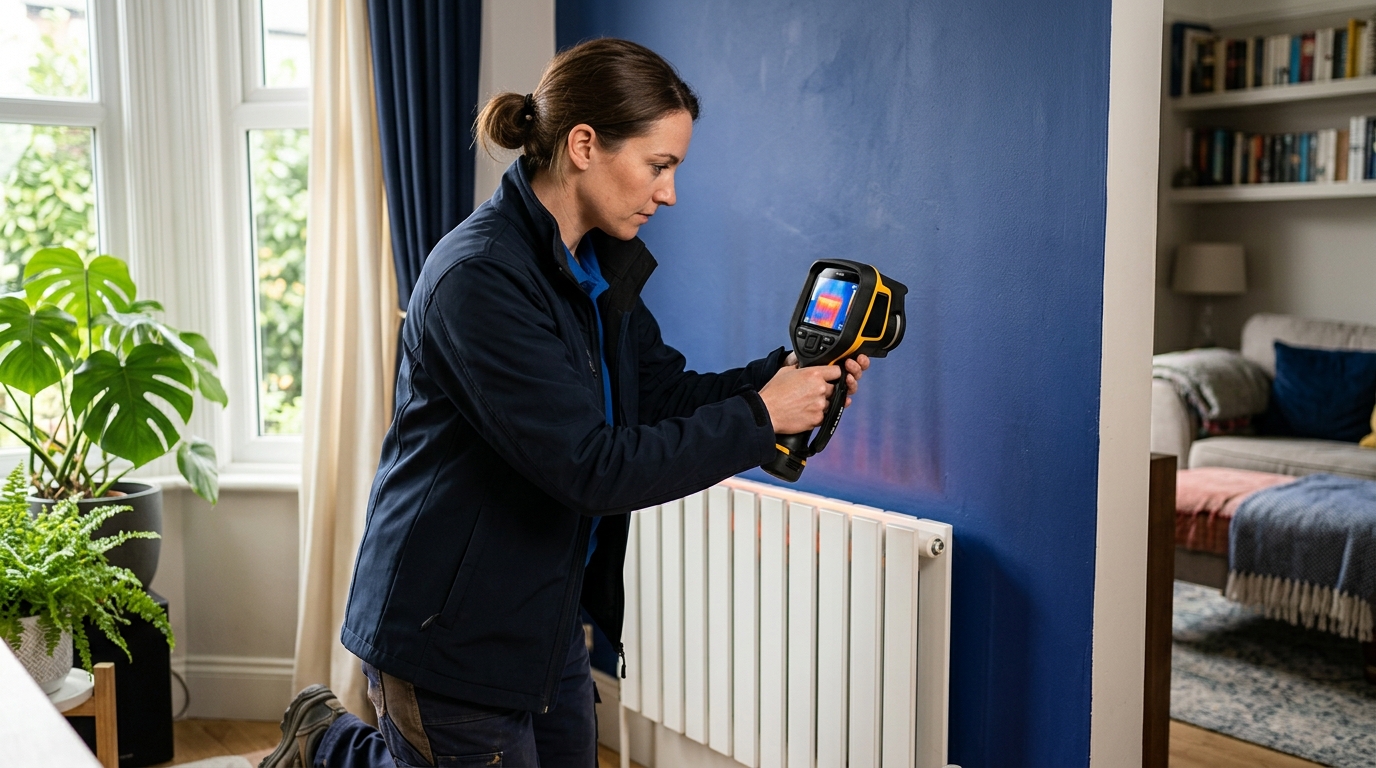
Shopping for oil heaters for home use because one room never warms up is a reasonable instinct, but it’s often a band-aid on a bigger problem. Space heaters run up your bill while the real culprit—leaky ducts, thin attic insulation, or air sneaking past doors—keeps draining heat all winter. Below, we’ll walk through this year’s seven best options for targeted warmth. Then we’ll show you how a proper home energy assessment can find out whether your house needs more than another heater.
How Oil Heaters for Home Use Actually Work
Oil-filled radiators vs. combustion furnaces
An oil-filled radiator doesn’t burn anything. An electric element heats diathermic oil sealed permanently inside the metal fins. That oil holds the heat and releases it slowly into the room. That’s why these units feel warm even after the thermostat clicks off. The oil acts like a battery for heat, giving you steadier warmth than the on-off blast of a fan heater.
That’s a completely different animal from an oil-burning furnace, which burns fuel oil in a combustion chamber to heat your whole house through ducts. A furnace needs a flue, combustion air, and regular safety checks. A radiator just needs an outlet. People confuse the two because both say “oil,” but one is a central heating system and the other is a plug-in appliance for a single space. Don’t mix up the two when you’re shopping.
This distinction matters for cost too. Furnaces heat the structure; radiators heat the air around them, and that air escapes fast through any nearby gap. Good for one room, not your whole home. A radiator in a drafty bedroom works twice as hard, and your wallet feels it. Whole-home comfort questions are better answered with a proper assessment than a space heater, however well it’s built.
Running cost is where a lot of owners get surprised. A 1,500-watt radiator left on for hours in a poorly sealed room is basically paying to heat the outdoors through gaps around the baseboards, window trim, and attic hatch. Because the real culprit is usually heat loss rather than the heater itself, learning how attic insulation affects whole-home heat retention helps explain why two identical heaters in two different houses can produce wildly different bills. Seal the leaks first, and the same heater does less work for the same comfort.
7 Top Oil Heaters for Home Comfort
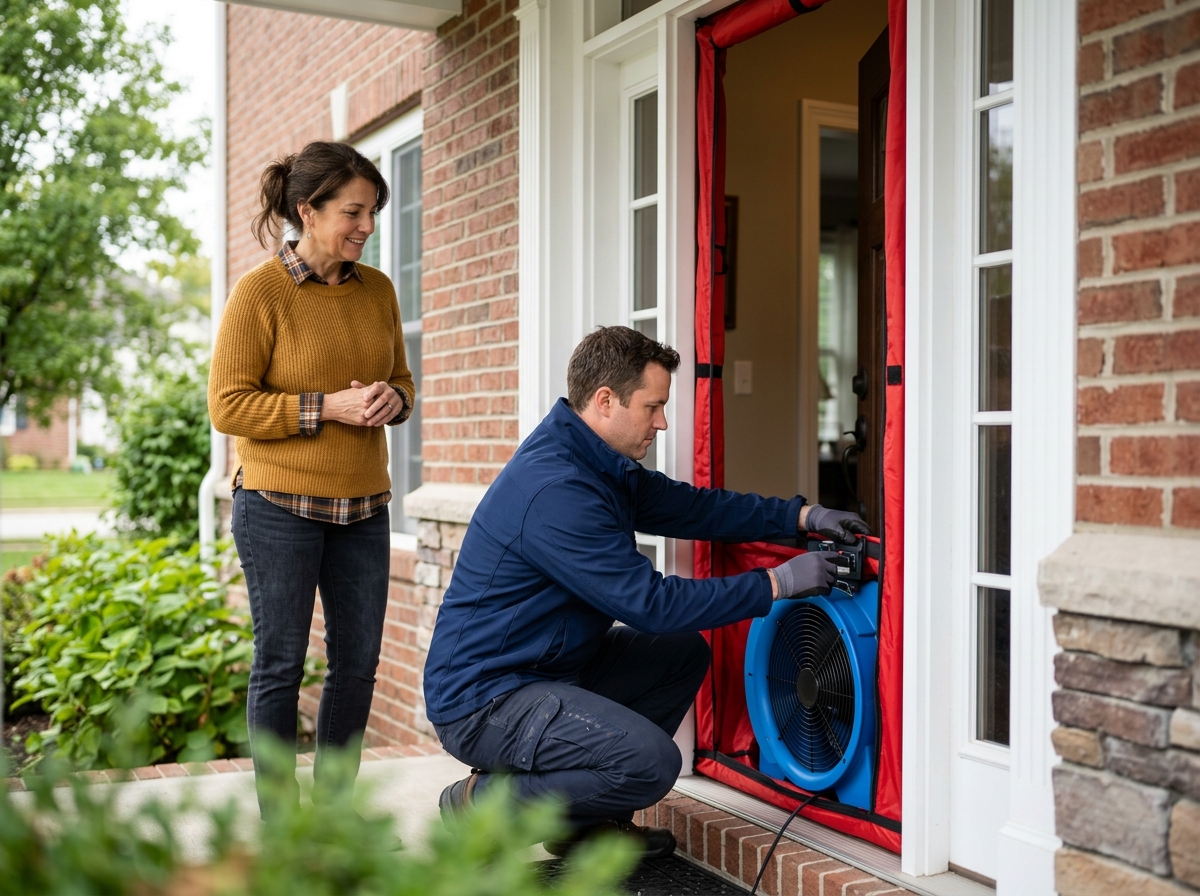
Before you shop, here’s the blunt truth: an oil heater warms a room, it doesn’t fix one. If cold air is leaking in around a door or window frame, cranking the dial up just burns more electricity to fight a losing battle. Diagnosing that leak with proper energy assessments tells you whether you actually need a bigger heater or just a tighter room. Keep that in mind as you look through these seven picks, sorted by the job each one does best.
- Compact bedroom radiator: typically 700–1,100 watts, covers roughly 100–150 sq ft, priced around $50–$80, and stands out for a slim footprint that tucks beside a nightstand without eating floor space.
- Large living-room tower radiator: runs 1,500 watts, rated for 200–300 sq ft, usually $90–$140, with multiple fin columns that spread heat evenly across an open floor plan.
- Low-profile under-desk model: around 500–900 watts, meant for 60–100 sq ft personal zones, priced near $40–$70, and built flat enough to sit under a desk without blocking your legs.
- Digital programmable unit: 1,200–1,500 watts, suited to 150–250 sq ft, generally $100–$160, standing out for a weekly schedule function that cuts runtime during hours nobody’s home.
- Tip-over and overheat-protected model for kids and pets: 900–1,500 watts, covering 120–200 sq ft, priced roughly $70–$120, and built with auto shut-off sensors as the defining safety feature.
- Quiet-operation bedroom unit: 700–1,200 watts, best for 100–180 sq ft, around $60–$100, notable for oil-filled fins that radiate heat silently with zero fan noise.
- Budget-friendly entry model: 1,000–1,500 watts, rated for 150–200 sq ft, often under $50, standing out simply for being the cheapest reliable entry point into oil heating.
Notice something across that list? Wattage climbs, price climbs, but none of it buys you a draft-free room. A 1,500-watt tower radiator in a leaky living room will run almost nonstop, quietly inflating your bill while heat slips out through gaps around trim, outlets, and rim joists. That’s a weatherization problem, not a heater problem. No amount of extra wattage solves it. Reviewers who’ve compared portable heaters against central systems often note the same tradeoff discussed in coverage of AC installation costs versus smaller, targeted fixes. Sealing the envelope first, then sizing your heater to the room’s real loss rate, is the order that actually saves money.
Oil Heater Specs Compared Side by Side
Numbers settle arguments. Instead of guessing which unit fits your space, line up the specs and match wattage to actual square footage. Overbuying wattage just means a bigger number on your utility bill, especially once you factor in the cost of electricity in louisiana running through every kilowatt-hour these units pull. The table below covers the seven picks from this list at a glance.
| Model Type | Wattage | Room Coverage | Heat-Up Time | Noise Level | Hourly Cost (approx.) |
|---|---|---|---|---|---|
| Compact 1500W tower | 1500W | 150-200 sq ft | 8-10 min | Whisper-quiet, under 35dB | $0.19-$0.22 |
| Mid-size 7-fin radiator | 1200W | 200-250 sq ft | 12-15 min | Near silent | $0.15-$0.18 |
| Large 11-fin radiator | 1500W | 300-350 sq ft | 15-20 min | Low hum under load | $0.19-$0.22 |
| Digital smart-thermostat unit | 1500W | 250-300 sq ft | 10-12 min | Under 40dB | $0.19-$0.22 |
| Low-profile baseboard style | 1000W | 100-150 sq ft | 10-14 min | Silent operation | $0.13-$0.15 |
Safety features matter just as much as the numbers. Every model worth buying includes tip-over shutoff, overheat protection, and a cool-touch housing. A dedicated provider or technician doing a home visit will tell you the same thing: bigger isn’t always warmer, it’s just louder on your meter. If something here doesn’t add up for your situation, the contacts page for further questions sits one click away for folks wanting a second opinion on the math.
What to Check Before You Buy
Sizing a heater to your room
Oil heaters aren’t one-size-fits-all, and guessing wastes money. A unit that’s too small runs constantly and never catches up. A unit that’s too big cycles on and off, overshoots the temperature, and wears out faster than it should. The fix is simple math before you shop.
- Use roughly 10 watts per square foot for a well-sealed room, and bump that up to 15-20 watts per square foot for drafty older spaces with high ceilings or single-pane windows.
- Measure the actual room, not the whole house, since oil heaters are built to warm one zone at a time rather than an entire floor plan.
- Check the manufacturer’s square footage rating on the box, then size down slightly if the room already holds heat well.
- Factor in ceiling height, since a 12-foot ceiling adds volume that a flat wattage formula doesn’t account for.
- Remember that a heater working too hard in an under-insulated room is often a sign the room itself is the problem, not the appliance; a home energy assessment with thermal imaging can confirm whether gaps around trim or a thin attic are pulling heat out faster than any heater can replace it.
Safety features worth paying for
Oil heaters sit close to furniture, pets, and kids for hours at a time, so the safety features aren’t optional extras. They’re the difference between a convenient appliance and a liability. A few are worth checking before you swipe your card.
- Thermostat accuracy matters more than people think, since a unit that reads five degrees off will either waste energy or leave you cold, and programmable timers let you schedule warm-up before you wake instead of running the heater all night.
- Tip-over shutoff cuts power instantly if the unit is knocked over, which matters in homes with kids, pets, or tight hallways.
- Overheat auto shutoff protects against internal oil temperatures climbing too high, a real risk if the unit sits against curtains or a couch.
- Caster wheels make it easy to roll the heater between a home office in the morning and a bedroom at night, rather than buying a second unit.
- Look for an ETL or UL listing on the label, since that’s independent lab testing for fire and shock hazards, not just a manufacturer’s own claim.
Worth noting: no space heater, however well built, fixes a room that bleeds heat through its walls. If one room always runs cold no matter the wattage, it’s usually worth tracing why before buying a bigger unit. Reviewing a portfolio of before-and-after sealing projects gives a decent sense of how much a drafty room can change.
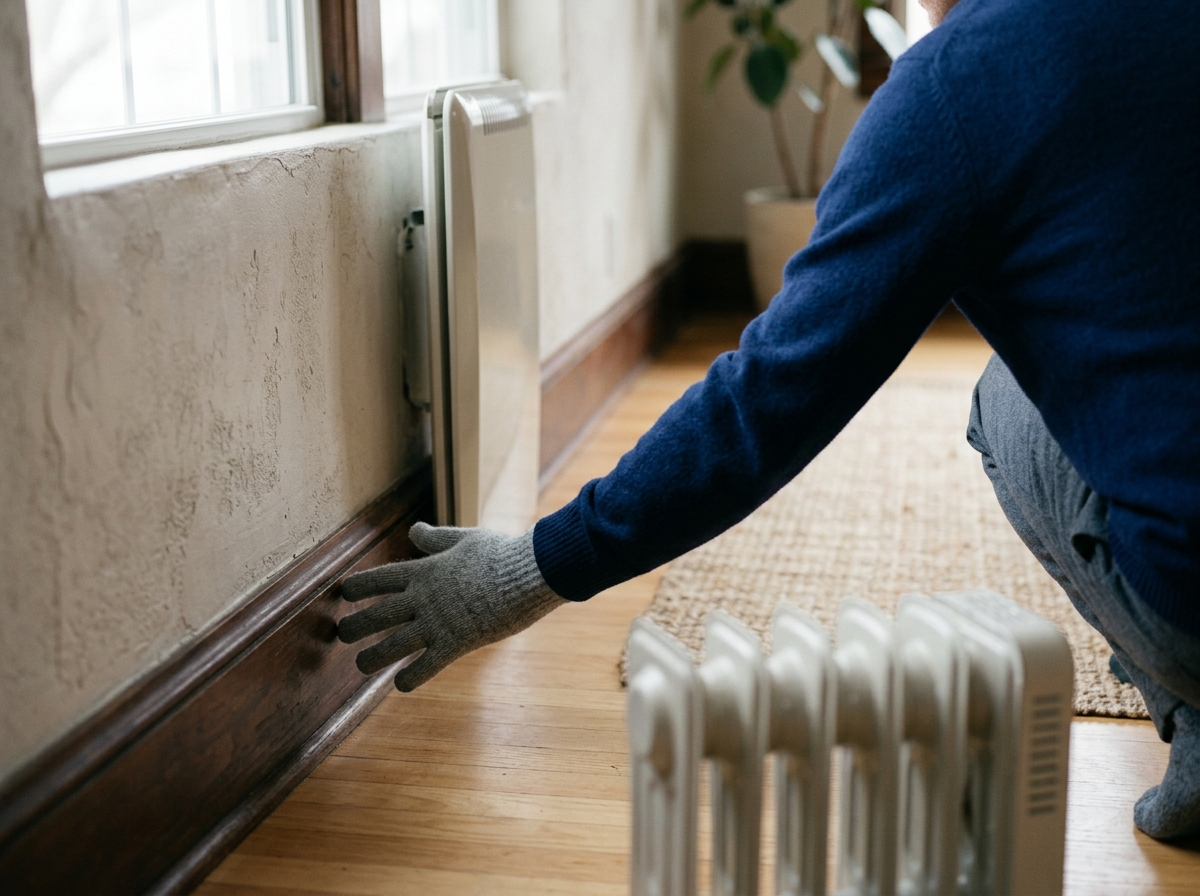
Oil Heaters vs. Other Space Heater Types
Every space heater trades off the same few things: how fast it warms you up, how long it stays warm, how much noise it makes, and what it costs to run. Oil-filled radiators are slow starters. The oil inside has to heat up before the metal fins radiate anything, so a cold room might take 20-30 minutes to feel different. The payoff comes after you flip it off — the oil holds heat and keeps releasing it for a while, which ceramic and fan heaters simply can’t do. That lag-then-linger pattern is the whole personality of an oil heater.
| Type | Heat Retention | Noise | Upfront Cost | Best Use Case |
|---|---|---|---|---|
| Oil-filled radiator | High, stays warm 20+ min after shutoff | Silent | $50-$120 | Bedrooms overnight |
| Ceramic heater | Low, cools fast | Low hum | $25-$60 | Small offices |
| Infrared heater | Low, heats objects not air | Silent | $60-$150 | Garages, patios |
| Fan heater | Lowest, instant on/off | Noticeable whir | $15-$40 | Quick spot heating |
Running cost mostly comes down to wattage and how much a room leaks heat, not the heater type itself. A drafty room will eat through any of these fast — reading about the use of heating oil nationally shows how much seasonal demand shifts with home efficiency, not just equipment choice. Fan and ceramic heaters win for quick bursts. Oil radiators win for steady, quiet background heat in rooms you sit in for hours.
Why Your Oil Heater Bill Might Be Higher Than It Should Be
Where heat actually escapes a room
Here’s the frustrating part. A portable oil heater can run flat out all evening in a leaky, under-insulated room and you’ll still find a cold corner by the window. That’s not a heater problem. It’s a building problem. The unit is doing its job, but the room is losing heat faster than the heater can replace it, so the thermostat reading never tells the real story.
Most of that loss happens in places you’d never think to check. Gaps around rim joists, attic penetrations, and plumbing or wiring chases let warmed air slip out within minutes of the heater kicking on. Air sealing these spots is the single most direct fix, and sealing known leak points around the home often matters more than the heater’s wattage.
Attics make this worse than people expect. An under-insulated attic can lose over 40% of conditioned air, which explains why one bedroom simply never holds heat no matter how long the heater runs. The warm air isn’t staying in the room. It’s rising, finding a gap, and leaving.
Fixing the cause instead of buying more heaters
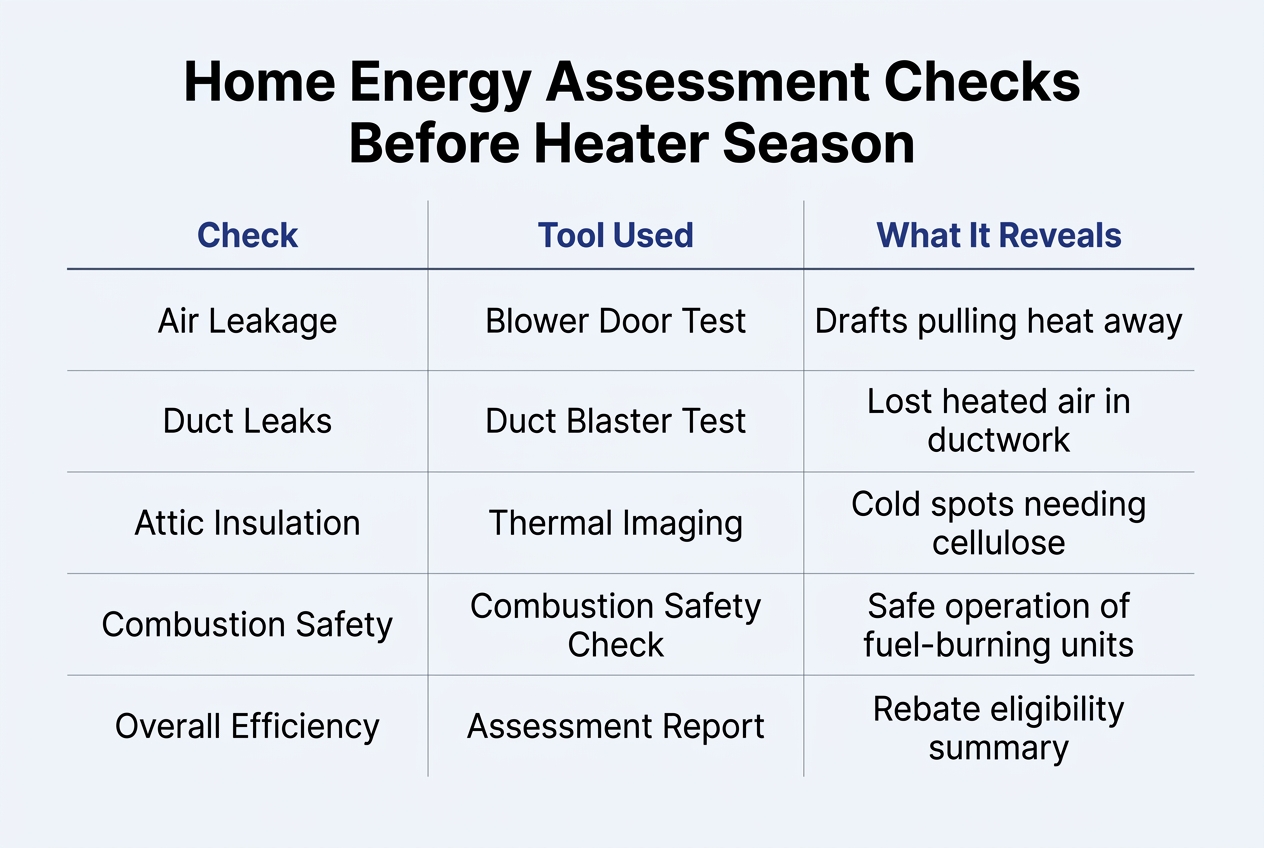
Before buying a second or third heater, it’s worth finding out where the heat is actually going. A home energy assessment using a blower-door test and thermal imaging maps the exact leak points and weak insulation zones in a house, turning guesswork into a short, specific list. From there, air sealing and duct sealing close the paths causing those room-to-room temperature swings, since heaters alone can’t overcome a house that’s actively losing warm air through the ductwork or walls.
Insulation finishes the job. Blown-in cellulose installed up to R-60 holds the warmth a space heater generates instead of letting it leak straight back into the attic overnight. Unlike batts, dense-pack cellulose fills irregular cavities and settles around wiring and framing, and depth is verified after install so you know the coverage is real, not assumed. One note of caution, though: tightening a home changes how it breathes. A combustion-safety check confirms that sealing work doesn’t create backdrafting issues with an existing furnace or water heater, which is a real risk when a house gets sealed without that step.
None of this needs to be a financial gamble. Homeowners in Louisiana and Mississippi often qualify for utility-sponsored programs covering most or all of this work, with free service for income-eligible customers. For context on how federal oversight treats related energy programs, it’s worth reading federal oversight of heating oil and propane programs before assuming upgrades are out of reach financially.
Running an Oil Heater Safely and Efficiently
Daily safety habits
Oil-filled heaters run hotter on the surface than people expect. Keep at least 3 feet of clearance from curtains, furniture, and bedding, every time you use one. That buffer isn’t overcautious, it’s the margin that keeps a space heater from becoming a house fire. Set it on a bare floor, not a rug, and give it room to breathe.
Don’t run it on an extension cord for extended periods. These heaters pull a steady, heavy load, and a thin cord can overheat even if the heater itself works fine. Plug straight into the wall whenever you can. If you must use a cord, use a heavy-gauge one rated for the amperage, and check it occasionally for warmth. A warm cord is a warning, not a detail to ignore.
A programmable thermostat setting beats running the unit on max heat around the clock. Most oil heaters cycle on and off to hold a set temperature, so letting it do that job saves wear and electricity. Think of it less like a furnace and more like a dedicated space heater with a brain you should actually use.
Getting more heat for less electricity
Close the door to the room you’re heating. It sounds obvious, but it’s the single easiest way to trap warmth where you want it instead of paying to heat a hallway. Pair that with air sealing around that room’s windows and baseboards, and the heater stops fighting a steady draft. Reducing drafts is also the logic behind the documented benefits of insulating your attic, since warm air escaping upward pulls cold air in through every gap below it.
If one room always runs cold no matter what heater you throw at it, stop guessing. Schedule an energy assessment first. A blower-door test and thermal imaging scan will show whether the problem is the heater, or the house leaking heat around that room’s rim joists and plate seams. Older efficiency research, including a Study of a Thermal Aerosol Oil Burner, has long shown how much performance rides on sealing and airflow, not just the heat source itself.
A detailed assessment and custom action plan settles the question for good. Sometimes it’s a drafty window frame. Sometimes it’s an attic missing its R-38. Either way, you’ll know exactly what you’re fixing before spending another winter babysitting a plug-in heater.
Frequently Asked Questions About Oil Heaters for Home
Are oil heaters cheaper to run than electric space heaters?
Both run on electricity, so the real cost comes down to wattage and how long the unit stays on. An oil-filled radiator rated at 1,500 watts costs roughly the same per hour as a ceramic heater at the same wattage. The difference shows up over time: oil heaters hold heat in the fluid and cycle off more, so they often use less power to hold a room steady. Government-backed research into Ultra Low Sulfur Home Heating Oil Demonstration Project data offers useful background on heating oil performance if you want the technical side.
Can an oil heater run all night safely?
Generally, yes. They don’t have exposed heating coils, and most modern models have tip-over shutoff and overheat protection. Still, keep it clear of bedding, curtains, and pets. Never run one on an extension cord overnight. That’s a fire risk, full stop.
Why does my room still feel cold with the heater on?
If the heater’s working but the room won’t warm up, the problem usually isn’t the heater. Drafts around old window frames, gaps at baseboards, or an under-insulated attic let heat slip out as fast as it’s made. No portable heater can out-produce a leaky building envelope.
Do oil heaters work well in drafty older homes?
They’ll take the edge off, but they’re fighting a losing battle in a home that loses heat fast. A home energy assessment with blower-door testing shows exactly where air escapes, and air sealing plus blown-in cellulose addresses the root cause instead of masking it room by room.
How long do oil-filled radiators last?
With reasonable care, 10 to 20 years. The sealed oil reservoir doesn’t need refilling or maintenance, which is part of their appeal for many local businesses recommending them as backup heat.
Before deciding how to tackle an attic that never seems to hold its temperature, it’s worth asking what’s actually driving the problem: is it insulation that’s thin and uneven, or air leaking in around doors, trim, and penetrations that no amount of added material will fix on its own? A home energy assessment with thermal imaging can answer that question with real numbers rather than guesswork, and it’s often the combination of air sealing with properly verified blown-in cellulose that closes the gap between what a home feels like and what the efficiency reports say it should feel like. Whatever direction you choose, ask for pre- and post-test data so you’re judging the results on performance, not promises.
