


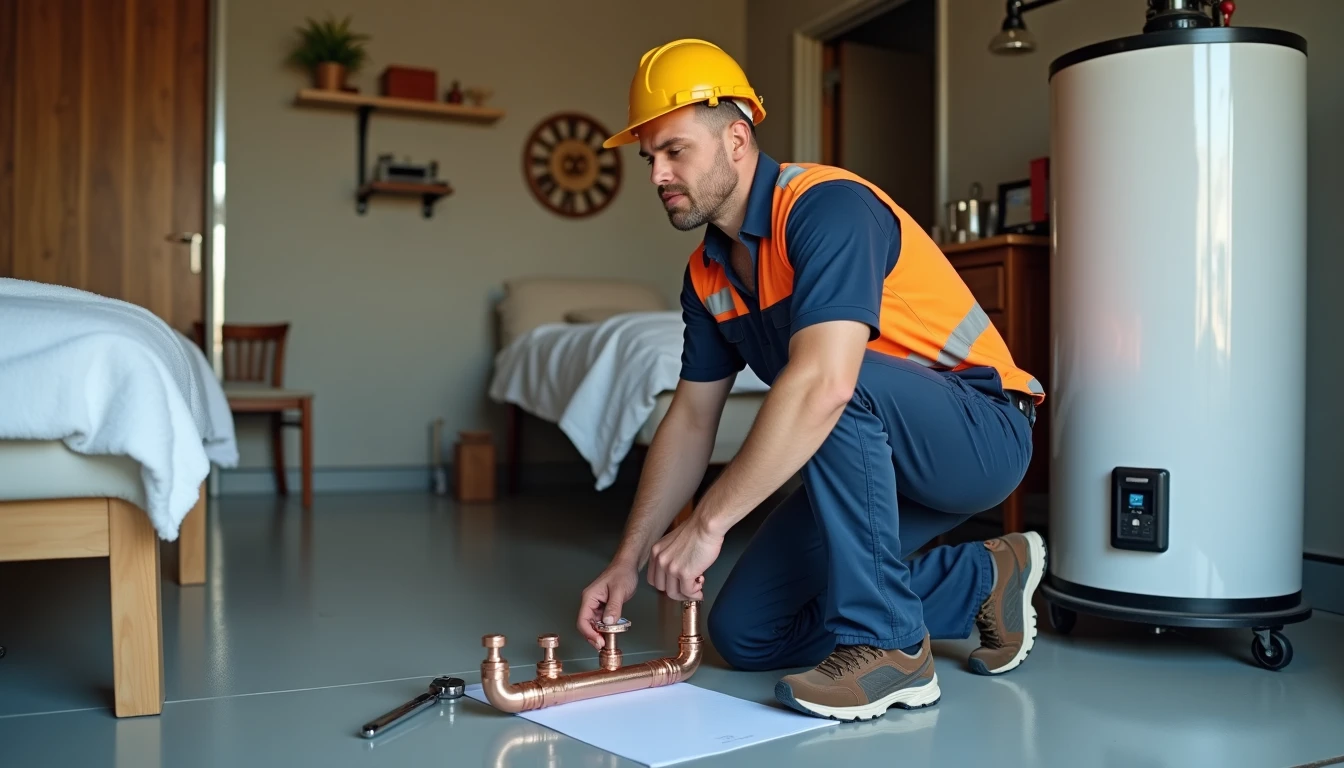
When your water heater starts leaking, rumbling, or just stops making hot water, the last thing you want is a nasty surprise on the bill. Knowing the real water heater replacement cost — unit type, labor, permits, and any efficiency upgrades — can be the difference between panic spending and a calm, smart decision. Big Star Conservation Inc. breaks down every factor that shapes pricing in 2026, so homeowners can budget accurately and pick a system that keeps utility bills lower for years.
Water Heater Replacement Cost: What You’ll Really Pay in 2026
Average Cost by Water Heater Type
Prices vary a lot depending on the unit you pick. Total replacement cost usually covers the tank, install labor, and any code upgrades needed. The table below shows typical national ranges homeowners can expect in 2026.
| Water Heater Type | Equipment Cost | Total Installed Cost |
|---|---|---|
| Electric Tank (40-50 gal) | $500–$900 | $1,200–$2,200 |
| Gas Tank (40-50 gal) | $600–$1,100 | $1,400–$2,600 |
| Tankless Electric | $700–$1,500 | $1,800–$3,500 |
| Tankless Gas | $1,000–$2,200 | $2,500–$4,500 |
| Heat Pump Water Heater | $1,300–$2,500 | $2,800–$5,000 |
Labor, Permits, and Hidden Fees
Labor typically runs $300 to $900, depending on how tricky the job is. Permits add $50 to $300, and most cities require one for any replacement. Hidden fees catch people off guard all the time — haul-away charges, expansion tank requirements, electrical panel upgrades. Anyone comparing installers should ask for a full written quote, not just a price on the equipment.
What Makes a Replacement More or Less Expensive
Switching fuel types drives costs up fast. Moving from electric to gas means new venting and gas lines. Tight closets, stairs, or attic installs also add labor hours. Local utility rates matter too. Understanding the cost of electricity in louisiana helps homeowners judge long-term operating expenses, not just the sticker price. According to When should you replace your water heater, and how …, replacing your unit before it fully fails can also cut down on emergency service fees. Asking a contractor about similar past jobs can show how they handle awkward layouts.
Signs You Need a Replacement, Not a Repair
Age and Warranty Red Flags
Most tank water heaters last 8 to 12 years. Check the manufacture date on the label near the top of the unit. If your heater is past warranty and something breaks, a repair rarely makes financial sense.
A good rule of thumb: the 50% rule. If a repair costs more than half the price of a new unit, replace it. A $400 repair on an 11-year-old heater is money you probably won’t get back in reliability or lifespan.
Physical Warning Signs of Failure
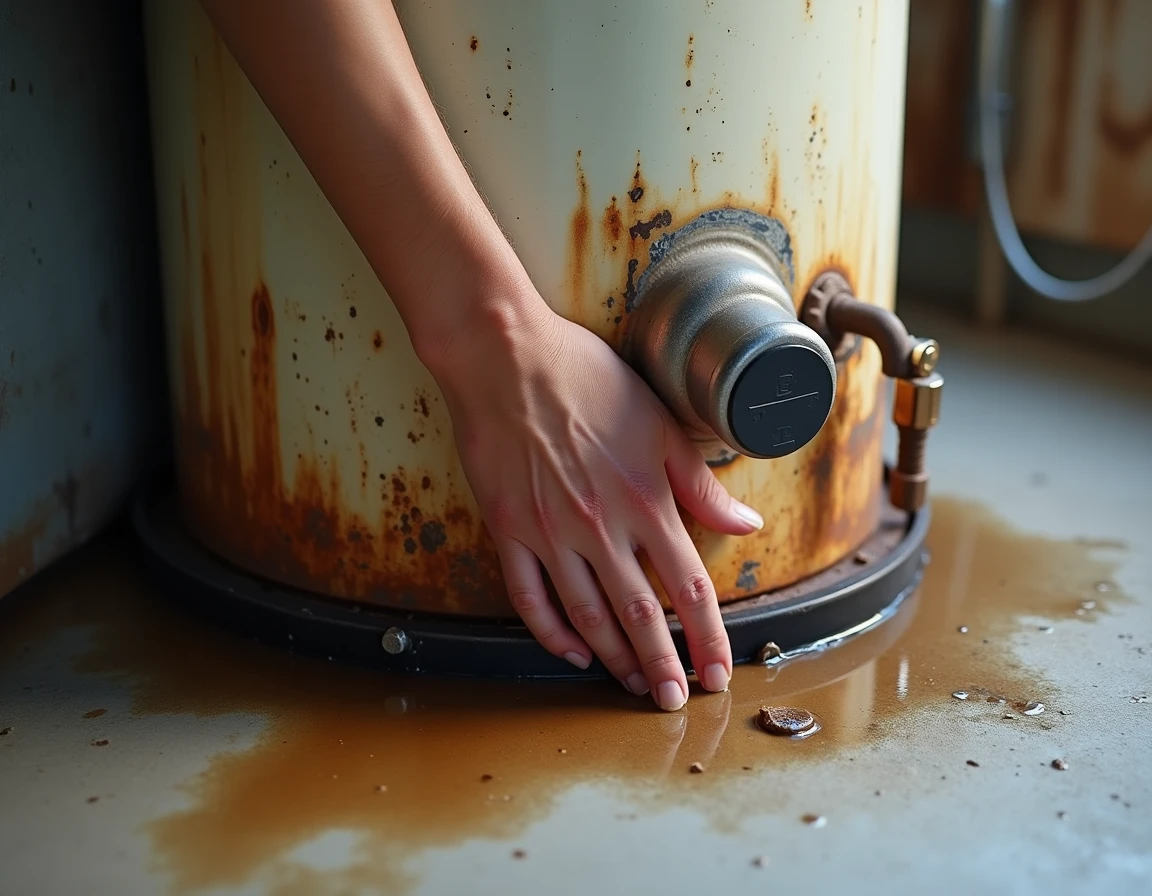
Rust-colored water is one of the clearest signs of internal tank corrosion. Once rust shows up in your hot water, the tank lining is breaking down, and failure usually isn’t far behind.
Pooling or dripping around the base points to a tank leak, and that almost always means replacement, not repair. Tanks crack from the inside out. Once the steel shell is compromised, no patch will hold. Rumbling or popping noises from sediment buildup are another warning sign worth watching.
When Repair Still Makes Sense
Rising energy bills and spotty hot water don’t always mean the tank is dying. A faulty heating element, thermostat, or dip tube can often be repaired cheaply, especially on units under six years old.
Before assuming the worst, rule out other home efficiency problems. Poor attic insulation and duct leaks strain your whole system and can mimic water heater trouble. Looking into the benefits of insulating your attic or scheduling duct sealing can sometimes fix efficiency complaints without touching the water heater at all.
Comparing Water Heater Types for Your Home
Tank vs Tankless Water Heaters
Most homes use a standard tank water heater. It stores 30 to 80 gallons and keeps water hot around the clock. A tankless unit heats water only when a faucet turns on. It saves space and cuts standby energy loss. Larger households or multi-family properties sometimes need commercial-grade units to keep up with heavier daily demand.
The table below compares common options side by side.
| Type | Typical Lifespan | Best For | Key Advantage |
|---|---|---|---|
| Standard Tank | 10-12 years | Small to mid-size households | Lower upfront cost |
| Tankless | 15-20 years | Homes with limited space | Continuous hot water supply |
| Heat Pump/Hybrid | 10-15 years | Warmer climates, efficiency-focused homes | Lower operating costs |
| Combi Boiler | 15-20 years | Homes needing heat and hot water | Combines two systems in one |
Heat Pump and Hybrid Water Heaters
A heat pump water heater pulls warmth from the surrounding air instead of generating heat directly. It uses far less electricity than a standard tank. Homeowners who notice their electricity bill too high often find real relief with these units over time.
Combi Boilers and Indirect Systems
Combi boilers heat both water and living spaces from one unit. Indirect systems pair a boiler with a storage tank for steady hot water. Both work best in well-insulated homes. Pairing either system with proper air sealing helps keep performance consistent and takes strain off the equipment.
Choosing the Right Size and Capacity
Picking the right size matters just as much as picking the right type. An undersized unit runs out of hot water fast. An oversized one wastes energy and money. The Cost to Replace a Water Heater often climbs with tank size, so getting the size right saves cash now and later.
30-49 Gallon Units for Small Households
A 30-49 gallon tank fits one or two people in a smaller home. It handles basic showers, dishes, and laundry without much overlap. Homes with good attic insulation also hold heat better, which lets smaller tanks run more efficiently.
50-74 Gallon Units for Growing Families
Families of three to five need more buffer during peak hours. Peak demand hits when several people shower, run laundry, and wash dishes close together — usually mornings or evenings. A 50-74 gallon tank covers that overlap without long reheating delays.
75+ Gallons and Commercial Capacity Needs
Large households, multi-family units, and small commercial spaces often need 75 gallons or more. Tankless systems use a different measure: recovery rate, or gallons heated per minute. Keep these factors in mind when sizing any system:
- Count the number of bathrooms and simultaneous hot water uses during busy hours.
- Estimate peak demand by adding up gallons used per fixture during the busiest 60-minute window.
- Check the tankless unit’s flow rate against your highest simultaneous demand, not just average daily use.
- Factor in climate, since colder incoming water temperatures slow recovery rates significantly.
- Review manufacturer sizing charts rather than guessing based on household headcount alone.
Power Source and Fuel Type Considerations
Electric and Heat Pump Options
Electric water heaters remain the most common pick across Louisiana and Mississippi homes. They cost less upfront, often $600 to $1,400 installed, and work in nearly any home with standard wiring. Heat pump water heaters cost more upfront, sometimes $1,800 to $3,500, but they pull heat from surrounding air instead of relying on pure electric resistance. That means lower bills every month.
Homeowners weighing electric options should check their electrical panel first. Older homes may need a panel upgrade to handle a heat pump unit, adding several hundred dollars to the project. It’s a common surprise, as seen in discussions like Water heater replacement cost? : r/homeowners, where owners describe unexpected electrical costs.
Gas and Propane Units
Natural gas units heat water faster and usually cost less to run where gas lines already exist. Installation runs $900 to $2,000, depending on venting needs. Propane units work about the same but require a tank and regular fuel deliveries, adding ongoing cost in rural areas without natural gas access.
Switching fuel types midproject — say, electric to gas — often adds $500 or more for new gas lines and venting. Homeowners should confirm fuel availability before choosing a replacement.
Solar-Assisted and Hybrid Fuel Systems
Solar-assisted systems pair a solar collector with a backup electric or gas element. They cost more upfront, often $3,000 to $6,000. The federal Residential Clean Energy Credit that used to offset that price ended for expenditures made after December 31, 2025, according to the IRS. These systems perform well in sunny southern climates.
Hybrid setups offer flexibility during cloudy stretches or high-demand periods.
Step-by-Step: What Happens During Installation
Pre-Installation Assessment
A qualified technician starts with a walkthrough of your home. They check existing pipes, venting, and electrical or gas connections. This step confirms proper sizing for your household’s hot water demand. A family of four needs different capacity than a couple in a small condo. The installer also measures the space where the unit will sit, checking clearance rules and access points before any work begins.
Removal, Setup, and Code Requirements
Once the assessment wraps up, the crew removes the old unit and installs the new one. This phase involves several key checks that protect your safety and your investment.
- Draining and disconnecting the old tank safely to avoid water damage or scalding.
- Inspecting the shutoff valves, gas lines, or electrical circuits for wear or code violations.
- Installing new connectors, fittings, and a drip pan if local codes require one.
- Adding a temperature and pressure relief valve discharge line that meets current standards.
- Confirming venting distances and clearances match manufacturer specs and municipal rules.
Learn more about what this process involves through How much does it really cost to replace a water heater? M…, which walks through tank versus tankless setups.
Testing, Cleanup, and Final Walkthrough
After installation, the technician tests the unit for leaks, checks water temperature, and confirms the pilot light or heating element works right. They haul away the old tank and clean up the work area. Before leaving, they walk you through basic maintenance and warranty details. Hire a licensed plumber for the installation, since it involves gas or electrical connections and a relief valve that must meet code.
Ways to Lower Your Replacement Cost
Rebates and Utility Incentives
Many utility companies offer rebates for upgrading to efficient water heaters. These programs often knock $50 to $500 off your final bill. Some regional utilities also run free or low-cost energy assessments that identify which rebates apply to your home. Checking with your provider before you buy can change your whole budget.
According to the IRS, the federal Energy Efficient Home Improvement Credit ended for equipment placed in service after December 31, 2025, so a water heater installed in 2026 no longer qualifies for it. Manufacturer warranties matter too. Longer warranties, often six to twelve years, cut future repair costs and add resale value. Always confirm registration steps — some warranties require it within 30 to 90 days of installation.
Choosing ENERGY STAR and High-Efficiency Models
An ENERGY STAR water heater uses noticeably less energy than standard models. Over a ten-year lifespan, that difference can add up to several hundred dollars in utility savings. These units often qualify for the utility rebates mentioned above, stacking your savings even further.
Before deciding, review a detailed cost breakdown like the one in “How Much Does a Water Heater Cost to Replace?” to compare upfront price against long-term efficiency gains. Higher efficiency usually means a slightly higher sticker price, but lower monthly bills make up that gap quickly.
Bundling Upgrades to Maximize Savings
Pairing your new water heater with weatherization improvements often unlocks bundled incentives. Insulation, air sealing, and duct repairs cut overall home energy loss, so your new unit doesn’t have to work as hard. Some programs offer combined rebates when multiple upgrades happen together.
Before scheduling any assessment, review the provider’s privacy policy to understand how your home data is handled. Bundling projects also cuts down on labor trips, saving contractor fees over time.
Long-Term Value: Energy Efficiency and Ongoing Savings
Calculating Lifetime Operating Costs
The sticker price only tells part of the story. A cheaper unit can end up costing more over time if it wastes energy every day it runs. Standard electric tanks often cost $500 to $600 a year to operate, while a heat pump water heater may run closer to $200 to $250 a year. Over a 12-year lifespan, that gap adds up to thousands of dollars.
Comparing lifetime cost, not just upfront price, helps homeowners avoid a costly mistake. This detailed breakdown of Water Heater Replacement and Installation Costs shows how fuel type, tank size, and efficiency rating all shift the math. A slightly higher purchase price often pays for itself through lower monthly utility bills.
How Home Weatherization Affects Hot Water Efficiency
A water heater doesn’t work in isolation. Poor insulation, air leaks, and uninsulated pipes force it to work harder to keep water hot. Heat escapes through walls and attics, and pipes lose warmth as water travels to the faucet. This raises demand and shortens equipment life.
Weatherization upgrades ease that strain. Insulating hot water pipes, sealing attic gaps, and wrapping older tanks can cut standby heat loss significantly. Homeowners curious about broader efficiency support can learn more through this about us overview of assessment services available in their area.
Estimating Your Payback Period
Most efficient water heaters pay back their added cost within three to six years, depending on household size and fuel prices. A family using 60 to 80 gallons of hot water daily will see faster payback than someone living alone.
Tracking monthly utility bills before and after installation gives the clearest payback picture. Combined with weatherization, savings often speed up, shortening the timeline even further.
Hiring a Professional: What to Look for in an Installer
Verifying Licensing, Insurance, and Reviews
A qualified plumber protects your home and your investment. Always confirm state licensing before work begins. Licensing rules vary, but many jurisdictions require a licensed plumber for water heater installations, especially those tied to gas lines or major electrical work, so check with your state licensing board. Ask to see proof of liability insurance and workers’ compensation coverage. This protects you if something goes wrong on the job. Check online reviews and ask neighbors for referrals. A pattern of complaints about missed appointments or sloppy work is a red flag worth taking seriously.
Comparing Quotes and Warranty Terms
Never accept the first quote you get. Pricing can vary widely between contractors for the same job. Resources like Cost to Replace Hot Water Heater offer helpful benchmarks for comparing local estimates against national averages. Read warranty terms closely. Some cover parts only, while others include labor for one to two years. Understand what voids the coverage, such as skipping annual maintenance or using unapproved parts.
Key Questions to Ask Before You Hire
Before signing anything, ask direct questions to avoid surprises later. Ask the installer to put the answers in writing.
- Will you pull the required local permit before starting the installation?
- What is included in the written quote, such as haul-away, disposal, and code upgrades?
- How long is the labor warranty, and does it cover future service calls?
- Can you provide references from recent jobs in my area?
- What happens if you discover unexpected damage once the old unit is removed?
After a home has been tightened up, it’s worth confirming that your water heater and furnace still vent the way they should — that’s exactly what a combustion safety check is for. The BPI-certified Building Analysts at Big Star Conservation INC. in Elmwood, LA handle this as part of their work, and since they’re already managing the utility rebate paperwork for Entergy, CLECO, and Energy Smart participants, there’s one less thing on your plate. Give them a call at (504) 305-3276 to book a combustion safety check; scheduling usually takes less than five minutes.
