


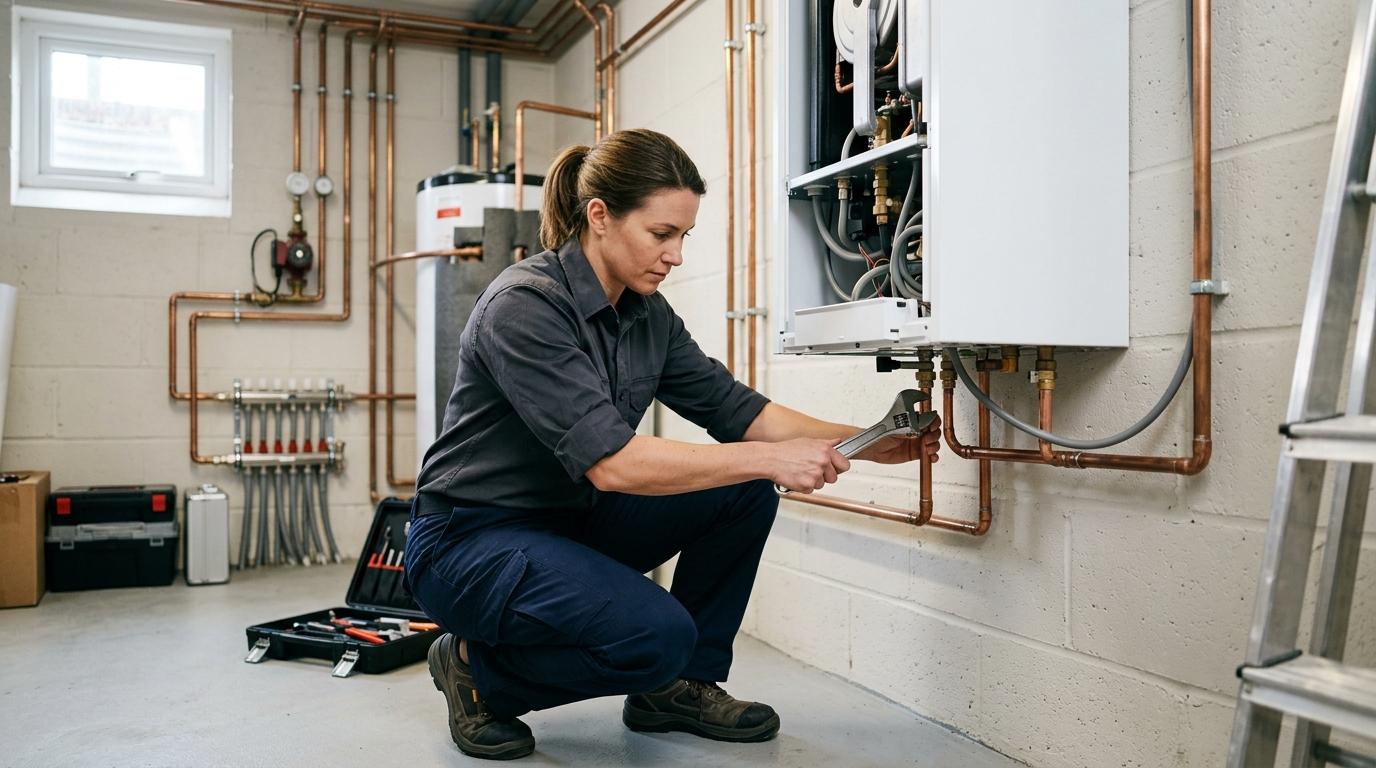
When your boiler starts short-cycling, rattling, or spiking your utility bills, you’re left wondering whether a repair will actually hold or if you’re just delaying the inevitable. A boiler replacement is a significant investment, and with efficiency standards, fuel costs, and available technology all shifting heading into 2026, homeowners need clear, current answers before committing thousands of dollars to a new system. Big Star Conservation INC. built this guide to walk you through when replacement makes sense, what it costs, and how to choose a unit that lowers your energy bills for years to come.
Boiler Replacement 101: What Every Homeowner Should Know
Replacement vs. Repair: Key Differences
A repair fixes one broken part. A pilot light, a valve, or a pump gets swapped out, and the old boiler keeps running. Full replacement means removing the entire unit and installing a new system, often with updated controls and venting. Repairs are usually cheaper upfront, running $150 to $600 for common fixes.
Replacement costs more at first, but it resets the clock on your heating system. It also brings modern efficiency ratings older units simply can’t match. A 20-year-old boiler might run at 65% efficiency, while a new model can hit 95% or higher. That gap shows up directly on your winter energy bills.
Homeowners often start with a repair, then face a second breakdown within a year or two. At that point, replacement becomes the smarter path. Comparing repair estimates against a written replacement quote helps clarify which option truly saves money over time.
How Long Do Boilers Typically Last?
Most residential boilers last 15 to 20 years with regular maintenance. Cast iron models sometimes stretch past 25 years, but efficiency drops steadily after year 15. Manufacturers design newer units around 20-year service lives, though harsh water conditions and skipped tune-ups can shorten that span considerably.
Age alone doesn’t tell the whole story. A 12-year-old boiler that’s been neglected can fail sooner than a well-maintained 18-year-old unit. Annual inspections, clean burners, and proper water pressure all stretch out lifespan. Tracking your unit’s install date and service history gives a clearer picture than guessing based on how it sounds or looks.
Who Should Consider Replacement Now
Homeowners with boilers older than 15 years, rising repair bills, or units original to the house should start planning now. Waiting for a mid-winter failure often means rushed decisions and higher emergency costs.
The process typically starts with a home energy assessment, where a technician evaluates your current system, ductwork, and insulation levels. This step often reveals related issues, like the benefits of insulating your attic or the value of duct sealing, both of which cut heating demand before a new boiler is even sized.
From there, a contractor calculates proper sizing, provides a written quote, and schedules installation, usually finished in one to two days. Homeowners planning a replacement soon should gather these details early, rather than waiting for a breakdown to force the timeline.
9 Warning Signs Your Boiler Needs to Be Replaced
Performance and Age-Related Signs
Most boilers last 15 to 20 years. After that, parts wear out and efficiency drops fast. An aging unit works harder to hit the same temperature, burning more fuel for less comfort. If your system is past this age range, watch closely for the signs below.
- The boiler is 15 years or older and has never had a major component replaced.
- Repair calls have become more frequent, often two or more times per heating season.
- A technician recently mentioned that replacement parts are discontinued or take weeks to order.
- Repair costs keep climbing, sometimes exceeding half the price of a new unit.
Sounds, Smells, and Safety Red Flags
A healthy boiler runs quietly. Unusual noises, like banging, whistling, or gurgling, often signal sediment buildup or a failing heat exchanger. Strange smells, especially anything like rotten eggs or scorched metal, can point to a gas leak or an overheating component. Inconsistent hot water, where the temperature swings from hot to lukewarm, suggests internal parts are struggling to keep up. Any of these issues deserve immediate professional attention, since safety risks can develop quickly in an older system.
Rising Costs and Comfort Complaints
Rising fuel bills without added usage often mean your boiler is losing efficiency. Slow heat-up times and rooms that never quite reach a comfortable temperature are common complaints from homeowners with failing systems. Before assuming the boiler is entirely at fault, check your home’s envelope. Poor attic insulation and gaps needing air sealing can mimic these same symptoms. Still, if problems persist after those fixes, your boiler itself is likely the true culprit.
Boiler Options: Selecting the Best Fit for Your Home
Gas, Oil, and Electric Boilers Compared
Homeowners can choose from three main fuel sources. Each affects upfront cost, monthly bills, and installation needs. Natural gas is common and often cheaper to run. Oil boilers work well in homes without gas lines but need fuel storage tanks. Electric models skip combustion entirely, though the cost of electricity in louisiana should factor into your decision before you buy. Many retailers, including sites that sell Boilers, list unit prices, but installation and fuel costs vary by region.
| Fuel Type | Typical Lifespan | Average Efficiency | Best For |
|---|---|---|---|
| Natural Gas | 15-20 years | 80-98% | Homes with existing gas lines |
| Oil | 15-20 years | 80-90% | Rural homes without gas service |
| Electric | 13-20 years | 95-100% | Small homes, mild climates |
Condensing vs. Standard Efficiency Models
A condensing boiler captures heat from exhaust gases that would otherwise escape. This pushes efficiency above 90 percent. Standard models vent that heat outside, wasting fuel. Condensing units cost more upfront but lower monthly bills over time.
Combi vs. System vs. Conventional Boilers
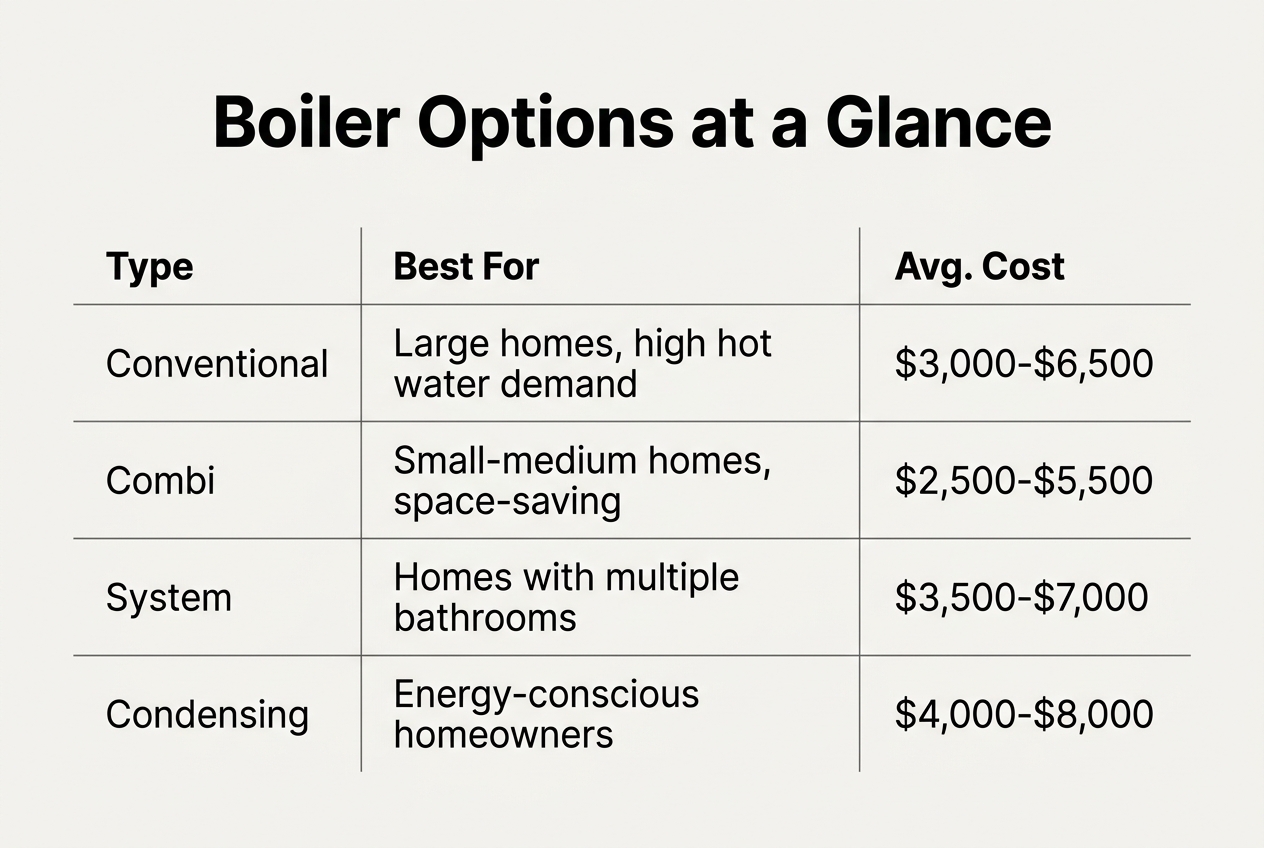
A combi boiler heats water on demand, skipping the storage tank. A system boiler uses a tank but no separate cold water cistern. A conventional boiler needs both a hot water cylinder and a cistern, fitting larger homes with multiple bathrooms.
Boiler Size and Efficiency: Getting the Right Fit
How Contractors Calculate Boiler Size
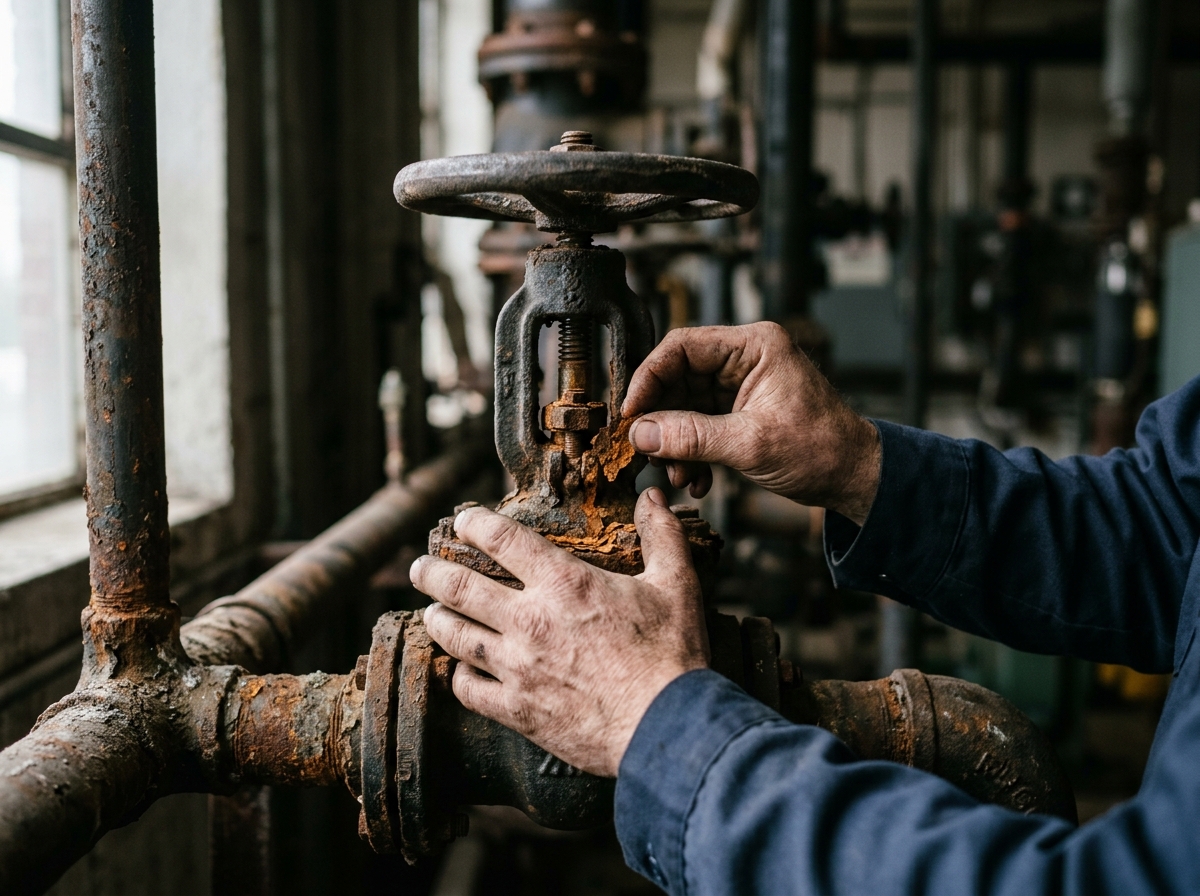
A properly sized boiler is the difference between steady comfort and constant frustration. Contractors use a heat loss calculation called Manual J to figure out how much heat your home actually loses on a cold day. This method looks at square footage, ceiling height, window count, and floor layout to pinpoint real heating needs.
Insulation quality plays a huge role too. A well-insulated 1,800-square-foot home may need far less capacity than an older home of the same size with drafty walls and thin attic insulation. Skipping this step often leads to poor performance and an electricity bill too high for comfort many homeowners never expect.
Understanding AFUE and Efficiency Ratings
AFUE stands for Annual Fuel Utilization Efficiency. It tells you how much fuel actually becomes heat versus how much escapes as waste. A boiler rated at 90% AFUE turns 90 cents of every fuel dollar into usable heat.
Older boilers often rate between 56% and 70%, while modern condensing models reach 90-98%. Choosing a higher-rated unit lowers monthly costs and cuts emissions. Reviewing Nine signs your heating boiler needs replacing can help homeowners decide when upgrading to a higher AFUE model makes sense.
Common Sizing Mistakes to Avoid
Many installers default to matching the old boiler’s size instead of running new calculations. This habit often leads to oversizing, which causes short cycling, uneven heat, and higher wear on components.
Undersizing is also risky. It forces the system to run constantly during cold spells, straining parts and driving up fuel use. Accurate sizing, based on real home data rather than guesswork, protects comfort and equipment life for years to come.
How Much Does Residential Boiler Installation Cost?
Average Boiler Replacement Costs by Type
Total cost depends heavily on boiler type. Standard efficiency models cost less upfront, while high-efficiency condensing units cost more but save money long term. The table below shows typical price ranges homeowners can expect in 2026, including equipment and basic labor.
| Boiler Type | Average Cost Range | Typical Lifespan |
|---|---|---|
| Standard gas boiler | $3,500 – $6,500 | 15-20 years |
| High-efficiency condensing gas boiler | $5,500 – $10,000 | 20-25 years |
| Oil-fired boiler | $4,000 – $8,500 | 15-20 years |
| Electric boiler | $3,000 – $6,000 | 13-20 years |
Installation Costs and Complexity Factors
Labor costs vary based on job complexity. A simple swap, replacing an old unit with a similar model, costs less. Rerouting pipes, upgrading venting, or moving the boiler’s location adds hours and expense. Homes with tight access points or outdated wiring often need extra work, too.
Other Expenses to Budget For
Permits are required in most cities and typically cost $50 to $300. Venting upgrades, especially for high-efficiency models, can add $500 or more. Some homeowners also need updated thermostats, new piping, or asbestos removal around old units. For a deeper cost breakdown, this guide on How Much Does Residential Boiler Installation Cost? offers helpful detail.
Costs shift by region, home age, and contractor rates. Learning more about us can help homeowners understand available assessment options before budgeting for a full installation.
Steps to Estimate Your Boiler Replacement Costs
Getting Multiple In-Home Assessments
Never trust a price quoted over the phone. A proper estimate needs an in-home assessment. A trained technician should check your home’s square footage, insulation levels, and existing ductwork or piping. Aim for at least three assessments before deciding. Local weatherization programs often offer these visits at little to no cost, which helps you compare real numbers instead of guesses.
Comparing Quotes Line by Line
Once you have quotes, look past the bottom-line number. Several factors push costs up or down, and spotting them helps you compare fairly.
- Equipment brand and warranty length can shift the price by hundreds of dollars, even for similar output ratings.
- Labor costs vary widely between contractors, especially if old piping or venting needs rework.
- Permit fees and inspection requirements differ by parish or county, adding hidden costs some quotes skip.
- Removal and disposal of your old unit is sometimes bundled in, sometimes billed separately.
- Ductless or hybrid system add-ons raise the estimate but may lower long-term energy bills.
Reading a few case studies on a provider’s blog can also show what real installations cost in similar homes.
Exploring Rebates and Financing Options
Rebates, tax credits, and utility incentives can lower your final price significantly. Ask each contractor which programs they participate in. Financing plans, including zero-interest options, spread costs over time. For a detailed regional cost breakdown, resources like Boiler Replacement in Minneapolis & St. Paul offer useful comparison points, even outside your own service area.
Choosing a Reliable Contractor for Installation
Licenses, Certifications, and Insurance
A proper license is the first thing to verify. Every state requires plumbing or mechanical contractors to hold a current license for boiler work. Ask to see the number and confirm it with your state licensing board. This takes only a few minutes online.
Look for manufacturer certifications from brands like Weil-McLain, Burnham, or Navien. These credentials show the installer completed specific training on that equipment. Insurance matters just as much. Confirm general liability coverage and workers’ compensation, so you aren’t liable if someone gets hurt on your property. Louisiana and Mississippi homeowners exploring options can review our services as a reference point for what a qualified assessment should include before installation begins.
Questions to Ask Potential Contractors
Ask how many boiler installations the crew completes each year. A contractor doing dozens annually understands venting, sizing, and code requirements far better than one doing a handful. Request three recent local references, and actually call them.
Ask about permit handling, warranty terms, and whether they perform a heat-loss calculation before quoting a price. A thorough contractor discusses details covered in resources like How Much Does it Cost to Replace a Boiler?, including labor, materials, and disposal fees, rather than giving a vague number over the phone.
Warning Signs of an Unqualified Installer
Be cautious of anyone offering a quote without inspecting your home in person. A rushed estimate often signals corners will be cut later. Pressure tactics, demands for full payment upfront, or refusal to put terms in writing are serious red flags.
Many local businesses have run into installers who skip permits entirely, hoping to save time. This can void warranties and create safety hazards. If a contractor can’t produce proof of insurance or dodges questions about certification, walk away and keep searching.
Is It Worth Upgrading Your Boiler?
Long-Term Savings on Fuel Bills
An old boiler often runs at 60-70% efficiency. A new condensing model can hit 95% or higher. That gap means real money leaving your home every winter. Over ten years, the fuel savings can offset a large chunk of the installation cost.
Think about the math simply. If your current heating bill runs $2,000 a year, a 30% efficiency gain could save $600 annually. That’s $6,000 back in your pocket over a decade. Long-term savings often outweigh the sticker shock of a new unit.
Fuel prices also tend to rise over time, not fall. Locking in a more efficient system protects you against future price spikes. This video walks through the physical process step by step: BOILER REPLACEMENT REMOVE OLD INSTALL NEW.
Effect on Home Comfort and Resale Value
A new boiler heats rooms more evenly. No more cold corners or long waits for hot water. This comfort upgrade matters daily, especially in older homes with drafty layouts.
Buyers notice mechanical systems during home inspections. A recently replaced boiler can be a selling point, signaling fewer near-term repairs. Appraisers may factor efficient heating into overall home value, particularly in colder markets.
Energy-efficient upgrades also appeal to eco-conscious buyers. Lower utility bills become a marketing detail your realtor can highlight. Before listing a property, review your provider’s privacy policy if you share energy usage data during an assessment.
When to Repair Instead of Replace
Not every problem justifies full replacement. A boiler under ten years old with a single failed part, like a pump or valve, is usually worth repairing. Repairs typically cost hundreds, not thousands.
Consider the 50% rule. If repair costs exceed half the price of a new unit, replacement often makes more financial sense. A cracked heat exchanger, for example, usually signals it’s time to replace rather than patch.
Frequency matters too. One repair a year is normal wear. Three or four calls in a single season suggest deeper decline, and replacement becomes the smarter long-term choice.
How to Avoid Needing a Boiler Replacement Too Soon
Preventive Maintenance Checklist
Small habits keep a boiler running for years longer. Preventive maintenance catches problems before they force an early replacement. Try these routine steps throughout the year:
- Bleed radiators every few months to release trapped air and restore even heating.
- Check the pressure gauge monthly and top off the system if it dips too low.
- Flush the system every year or two to clear sludge and mineral buildup from pipes.
- Inspect visible pipework for leaks, rust spots, or damp patches near joints.
- Clean or replace filters to keep water flow steady and efficient.
- Test safety valves to confirm they release pressure correctly.
Benefits of Annual Professional Inspections
A yearly checkup catches hidden wear that homeowners often miss. A trained technician can spot corrosion, worn seals, or fading efficiency early. This kind of service, similar to a Boiler Installation In Littleton, MA provider might recommend, keeps warranties valid and prevents costly breakdowns during winter.
How Weatherization Extends Boiler Life
A well-sealed home reduces strain on any heating system. Weatherization measures, like sealing drafts and adding insulation, mean the boiler works less to maintain comfort. Less strain means fewer repairs and a longer lifespan. Homeowners unsure where to start can reach out through contacts to schedule an assessment.
Frequently Asked Questions About Boiler Replacement
How Long Does Installation Take?
Most residential jobs take one to three days. A simple swap, same size and same location, often finishes in a single day. Adding new venting, upgrading gas lines, or moving the unit to a new spot adds extra time. Complexity, not size, drives the timeline more than homeowners expect.
A common myth is that boilers last forever with basic upkeep. In reality, most units run efficiently for 15 to 20 years, then start losing efficiency fast. Waiting past that window often means emergency replacement, which can add rush fees and limit equipment choices. You can review examples of completed installs in this portfolio to see realistic timeframes and setups.
Can I Get Assistance or Rebates?
Many homeowners qualify for utility rebates, state weatherization funds, or manufacturer incentives. These programs often cover high-efficiency models, since utilities want to lower peak demand. Rebate amounts vary widely, from a few hundred dollars to over a thousand, depending on the model and household income.
Some programs bundle a free or low-cost energy assessment with the rebate application. This step confirms your home qualifies and identifies additional savings, like insulation upgrades or smart thermostats, before installation begins.
What Should I Do Immediately After Installation?
Test the system through a full heating cycle within the first week. Listen for unusual noises and check that radiators or baseboards heat evenly throughout the house.
Save your warranty paperwork and schedule the first annual maintenance visit. Early tune-ups catch small issues before they become costly repairs.
If you’re weighing the cost of a new boiler against the long-term savings, it helps to start with a clear picture of where your home is losing energy. Big Star Conservation Inc. offers expert energy assessments and weatherization services to homeowners and multi-family property owners across Louisiana and Mississippi, often at little to no cost thanks to partnerships with regional utility companies. Reach out today to book an assessment and take the guesswork out of your boiler replacement decision.
